Tower Hamlets Skip Hire Health and Safety Policy
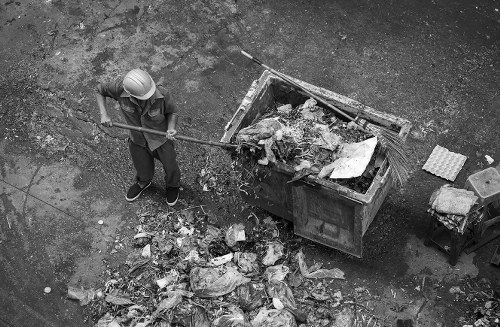 This Health and Safety Policy sets out the commitment of Tower Hamlets Skip Hire and affiliated rubbish company operations to protect employees, contractors, customers and the public across our waste removal service area. The policy applies to all skip hire, clearance and waste transfer activities carried out by the company and its authorised agents. Our aim is to achieve and maintain safe working conditions, prevent injuries and illness, and ensure compliance with relevant occupational safety expectations and sound risk management practice.
Our approach to health and safety is risk-based and proportionate to the nature of the work done by a local skip and rubbish business. The policy covers operational sites, customer locations where skips are placed, vehicle and trailer operations, manual handling of waste and recyclables, and interactions with third-party contractors. It is designed to support consistent safe systems of work across the service area without over-reliance on local detail.
 Responsibilities are clearly allocated and understood. Senior management are accountable for providing leadership, resources and oversight. Supervisors and site managers are responsible for day-to-day implementation, including maintenance of site-specific risk assessments, toolbox talks, and ensuring that all operatives follow safe methods. Employees and subcontractors must cooperate, follow instructions, report hazards and take reasonable care for their own health and safety and that of others.
Key Safety Controls and Procedures
Risk assessment and control is central to operations. Before any placement of a skip or commencement of a clearance we conduct a documented assessment covering ground conditions, vehicle access, overhead and underground hazards, proximity to traffic and pedestrians, and waste content risks. Work instructions and permit-to-work controls are used where required. The policy emphasises proactive hazard identification and prompt action to reduce risk to as low as reasonably practicable.
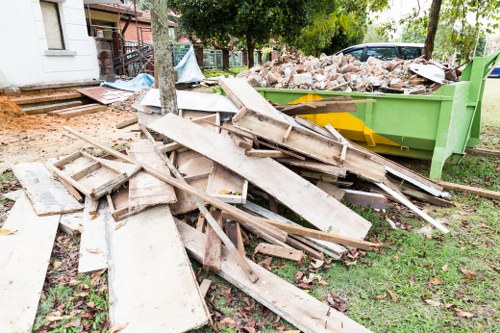 Personal protective equipment (PPE) requirements are specified for all tasks and include high-visibility clothing, gloves suitable for waste handling, safety footwear, eye protection and respiratory protection where dust or biohazard risks are present. PPE is a control of last resort and is used alongside engineering and administrative measures. Manual handling training and mechanical aids are provided to reduce strain injuries during loading, lifting and transfer of bulky refuse and recyclable materials.
Vehicle safety and traffic management are essential elements for any skip hire or rubbish collection operation. Drivers and crew must follow appointed traffic control measures, use dedicated vehicle routes, apply safe reversing and signalling practices, and ensure all lifts are planned and supervised. Vehicles are subject to routine inspection, maintenance and loading checks to prevent incidents arising from mechanical failure or overloaded trailers.
Operational Practices, Waste Segregation and Environmental Considerations
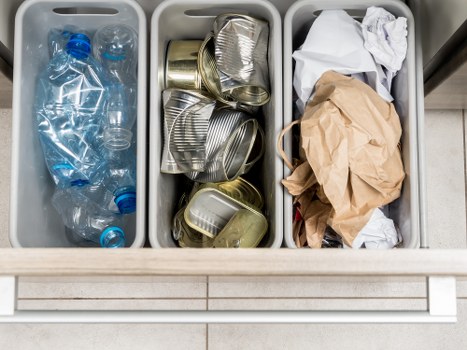
Segregation of waste streams at source reduces handling risks and supports legal waste management standards. Our teams are trained to recognise hazardous materials and to refuse or quarantine loads that may contain asbestos, chemical containers, sharps, or other prohibited items. Clear signage and designated containment procedures are used to manage contaminated or hazardous loads safely within the rubbish company service area.
 Emergency preparedness includes accessible spill kits, clear reporting lines for incidents and near misses, and arrangements for first aid and emergency services. Incidents are investigated to identify root causes and to apply corrective actions. The policy requires that every event, whether minor or major, is recorded and reviewed to improve systems and reduce recurrence.
 Training, competency and supervision are priorities. Induction programmes, periodic refresher training, and role-specific certifications are provided to all staff and regular contractors. Supervisors carry out ongoing assessments of competence and provide coaching. Strong communication channels ensure that changes to procedures, seasonal hazards and new waste types are shared promptly across teams operating in the local service area.
Monitoring and continuous improvement are embedded in our safety culture. Performance indicators such as incident frequency rates, near-miss reports, inspection results and training completion statistics are reviewed by management. Regular audits, both internal and independent where appropriate, assess compliance and effectiveness. Where non-conformance is identified we implement corrective plans, assign responsibilities and track completion.
Contractor and subcontractor management requires demonstration of equivalent health and safety standards before engagement. Agreements include explicit safety obligations, evidence of insurance, and verification of competence for work within the waste collection and skip placement environment. Our selection process promotes collaboration with partners who share our safety values within the rubbish removal service area.
The policy is kept under formal review at defined intervals and is updated following significant changes in operations, legislation or after major incidents. It is published internally and made available to all staff. All personnel are expected to familiarise themselves with the policy, participate in its delivery and contribute to safer, more efficient waste and skip hire services.
In summary, Tower Hamlets Skip Hire commits to a structured and practical health and safety framework that supports safe skip hire and rubbish removal activity. This policy balances operational needs, environmental responsibility and the wellbeing of everyone affected by our work. It should be read in conjunction with procedural documents, risk assessments and operational instructions that guide daily practice across the service area.
Signed and endorsed by senior leadership, the policy is effective from the date of issue and remains an active component of our management system until superseded. Continuous engagement, clear responsibilities and timely action are the foundations of our approach to health and safety for all skip hire and rubbish company operations.